States and Cities Move to Ban Cryptocurrency Kiosks
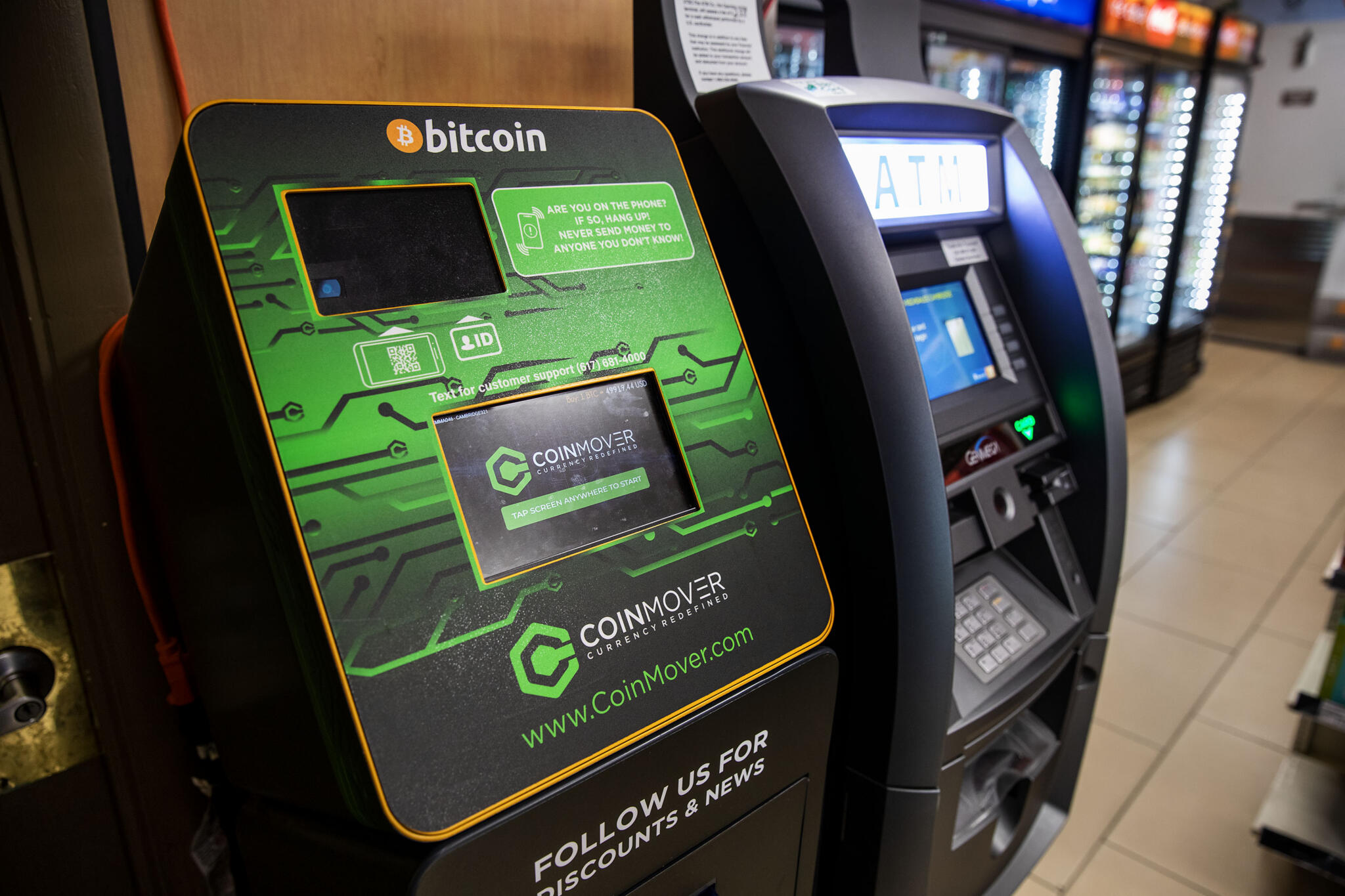
States and cities across the country are moving to ban local cryptocurrency kiosks right now. Officials are taking quick action because scams tied to these machines keep growing fast. Local leaders want to protect residents from losing their hard-earned cash to fraudsters.
Why are local leaders moving to ban cryptocurrency kiosks?
Many cities notice a sharp rise in fraud connected directly to local cash-to-crypto machines. Scammers often trick older adults into bringing physical cash to these neighborhood locations. Once the victim deposits the paper money, the funds convert into digital coins immediately. The cash goes straight into criminal wallets, and victims cannot get their money back easily.
Because these machines sit in convenient places like gas stations and corner stores, people fall for tricks quickly. Fraudsters keep victims on the phone line while directing them to the nearest location. Closing down these physical spots makes it much harder for criminals to carry out their quick cash schemes.
What is a cryptocurrency kiosk?
A crypto kiosk looks and works very much like a standard bank machine on the street corner. Instead of connecting to a standard bank account, it lets a user buy or sell digital coins with cash. People walk up with bills, scan a mobile app wallet, and complete the transaction in just a few minutes.
While some people use these machines for real daily trades, criminals love them for their speed. You can learn more about how cryptocurrency works on traditional digital networks. The fast physical-to-digital process makes these neighborhood setups prime targets for bad actors looking for fast payouts.
How do scammers trick people at local crypto ATMs?
Fraudsters usually call or text their victims while pretending to be someone official. They might claim to be from a government office, a utility business, or local law enforcement. They tell the victim that their money is unsafe unless they transfer it right away.
Here are the common steps scammers use to trick victims at these machines:
- They create fake fear about a locked bank account or a fake arrest threat.
- They direct the victim to drive directly to a neighborhood crypto machine.
- They give the victim a specific barcode to scan at the terminal.
- They tell the victim to deposit paper cash until the machine stops.
Understanding these patterns helps communities see why local bans are spreading so quickly. You can read details regarding cryptocurrency and crime to see how widespread these financial schemes have become nationwide.
What should you expect to happen next?
More city councils and state lawmakers plan to vote on similar kiosk bans over the coming months. Some areas choose to ban the terminals completely from every neighborhood store. Other local governments look at strict limits, like daily deposit caps or clear warning signs on the machine screen.
Ordinary buyers should double-check how they buy digital coins as local laws change fast. If you need to make a transaction, official online exchanges offer safer paths with identity checks. Watching these local policy changes helps everyday users stay safe from criminal schemes taking place in their home towns.

Comments
Post a Comment